🌄 Introduction – Uttarakhand Culture and Tradition
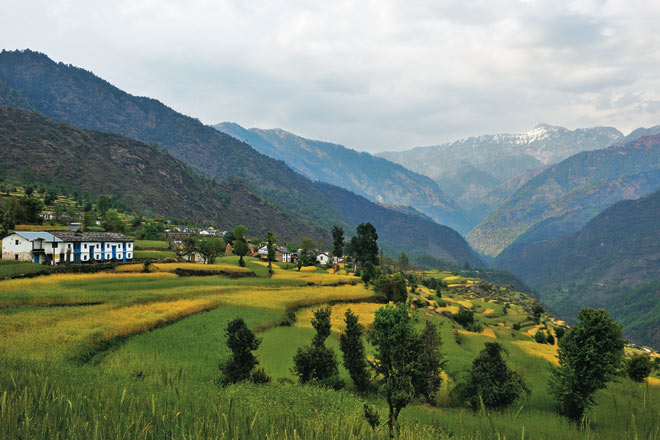
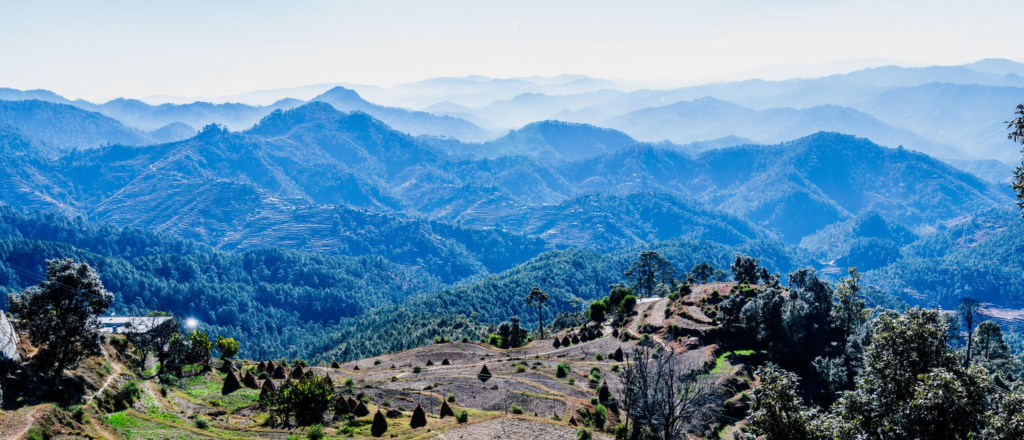
Uttarakhand culture reflects the intricate combination of faith, tradition, and environmental harmony. Uttarakhand, a state in northern India, is known as the Land of the Gods because of its sacred landscape and rich spiritual heritage. The state's unique and deeply rooted cultural character is influenced by its majestic Himalayan mountains, holy rivers, ancient temples, and tranquil villages. Rather than being only a collection of customs and traditions, this culture is a living expression of how the people interact with their community, faith, and environment.
The two main regions of Garhwal and Kumaon have a significant influence on Uttarakhand's cultural fabric. Dialects, traditional customs, festivals, dances, music, and social customs vary by location. Notwithstanding these regional differences, the people are united by a shared cultural ethos that values hospitality, simplicity, and adherence to customs. Throughout history, the mountains, woods, and rivers of Uttarakhand have influenced people's lives by teaching them the virtues of tolerance, fortitude, and peace.
The spiritual focus of Uttarakhand culture is among its most remarkable characteristics. Religion permeates every aspect of daily life and is not just restricted to ceremonies or temple visits. Prayers are said first thing in the morning, fasts are observed on auspicious days, and rites are carried out for significant life events including marriage, birth, and death. The peaceful and disciplined nature of Uttarakhand culture is a result of this profound spiritual awareness.
Essentially, the culture of Uttarakhand is a stunning fusion of spirituality, history, and peace with nature. It represents a lifestyle that honors the past while gradually adjusting to the present.
🎉 Festivals of Uttarakhand
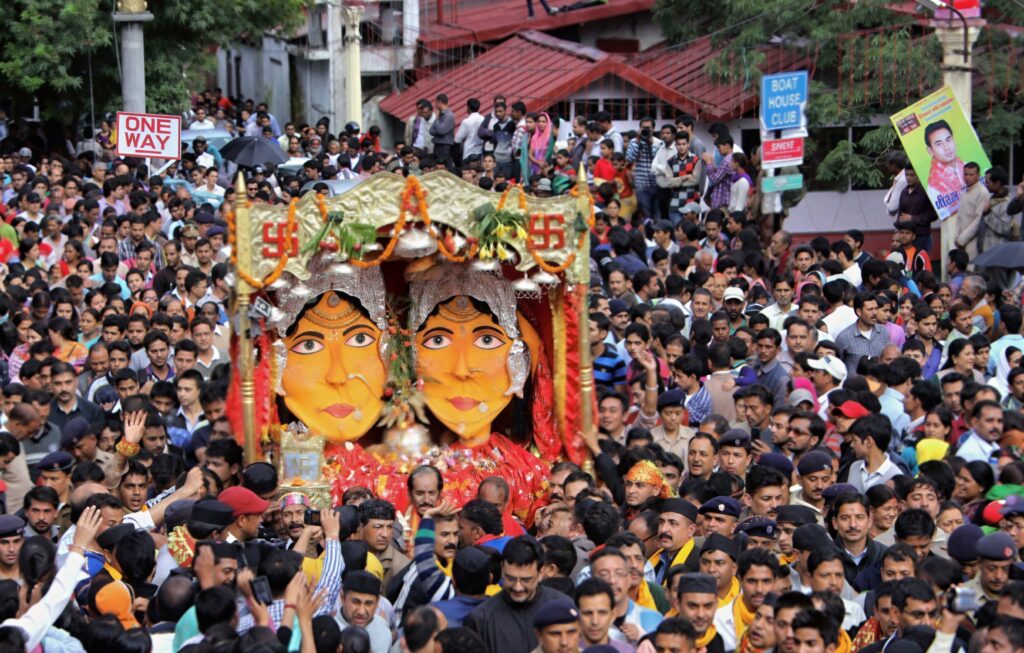
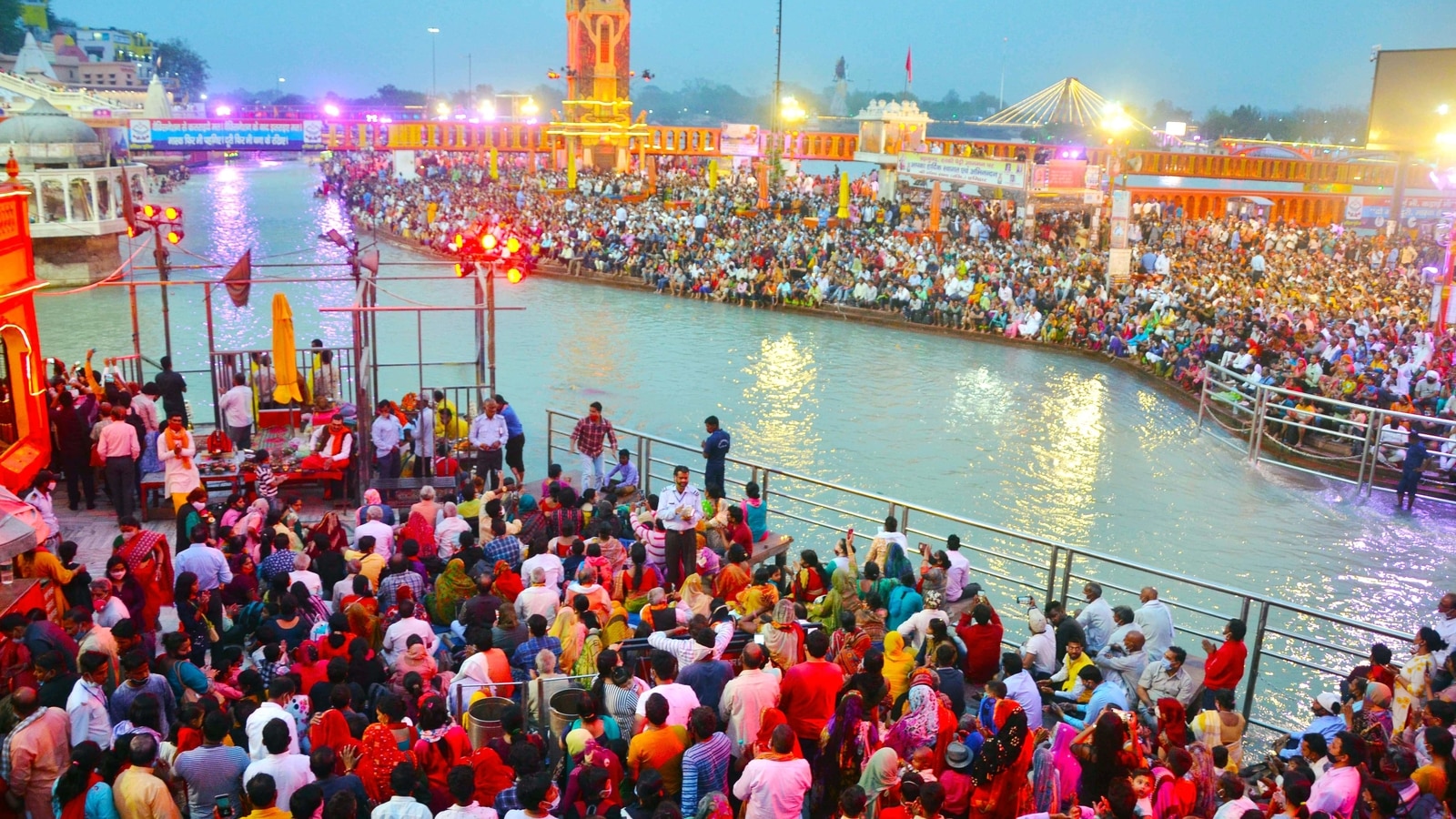
The core of Uttarakhand's cultural life is its festivals. They serve as both celebrations and ways to give thanks to the gods, ancestors, and the natural world. The majority of Uttarakhand's festivals have great significance for the local populations since they are connected to seasonal variations, agricultural cycles, and religious beliefs.
The Kumbh Mela, which takes place in Haridwar, is one of Uttarakhand's most well-known celebrations. Millions of pilgrims take a sacred dip in the Ganga at one of the biggest religious events in the world. People think that spiritual purification and sin cleansing are brought about by this holy bath. Spiritual talks, large processions, and devotional songs are also features of the celebration.
Nanda Devi Raj Jat, a historic pilgrimage honoring Goddess Nanda Devi, is another significant festival. It is celebrated with a lengthy procession through mountain villages and paths once every twelve years. In order to demonstrate their profound faith and connection to the Himalayan environment, devotees carry sacred emblems, sing traditional songs, and carry out rituals.
The yearly celebration of Harela, which heralds the arrival of the monsoon, represents wealth and ecological consciousness. As a symbol of a bountiful harvest and the health of families, people plant seeds in little baskets and worship them on this day. It highlights the agricultural roots of Uttarakhand society and the respect people have for nature.
Other well-known celebrations that honor seasonal changes and community bonds include Phool Dei, Makar Sankranti, and Ghughutia. During these festivals, special dishes are cooked, gifts are shared, and children visit homes while singing traditional songs.
The festivals of Uttarakhand generally promote social harmony and the preservation of traditional customs. They encourage group participation, build interpersonal ties, and pass down cultural values from one generation to the next.
🛕 Religious Beliefs & Spiritual Life
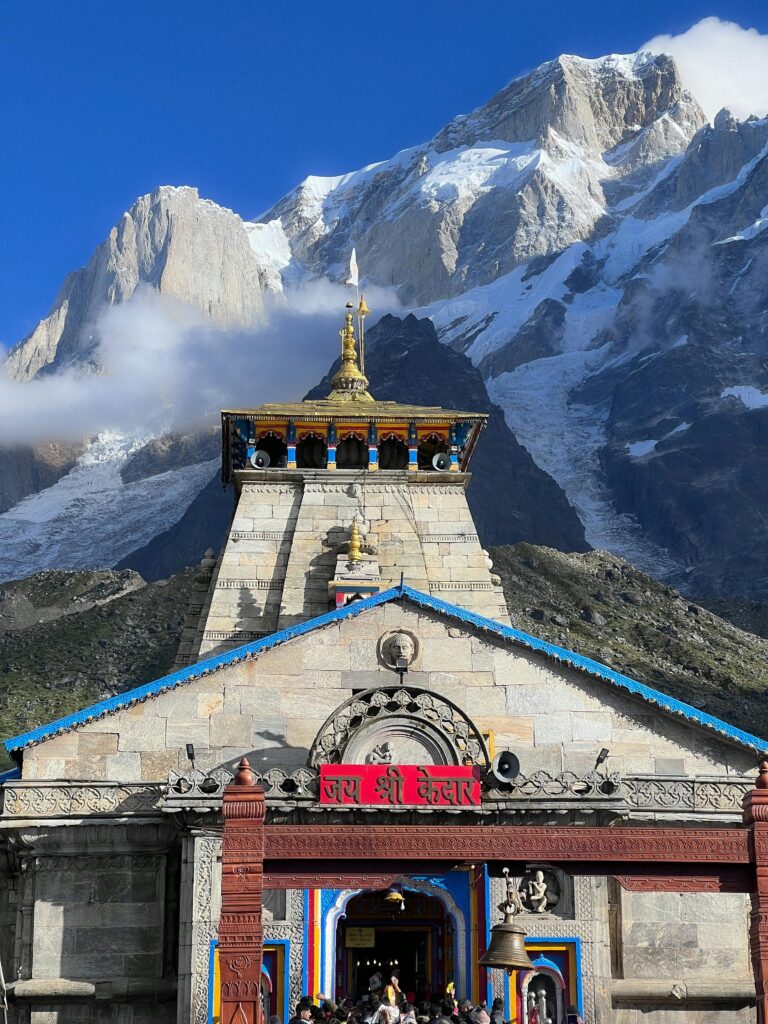
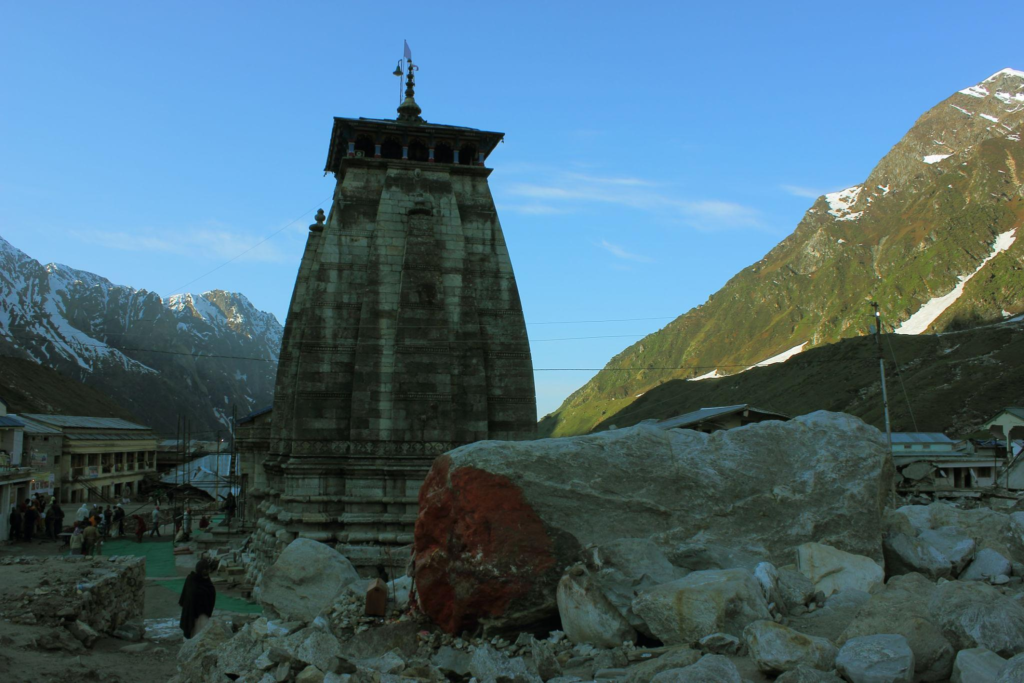
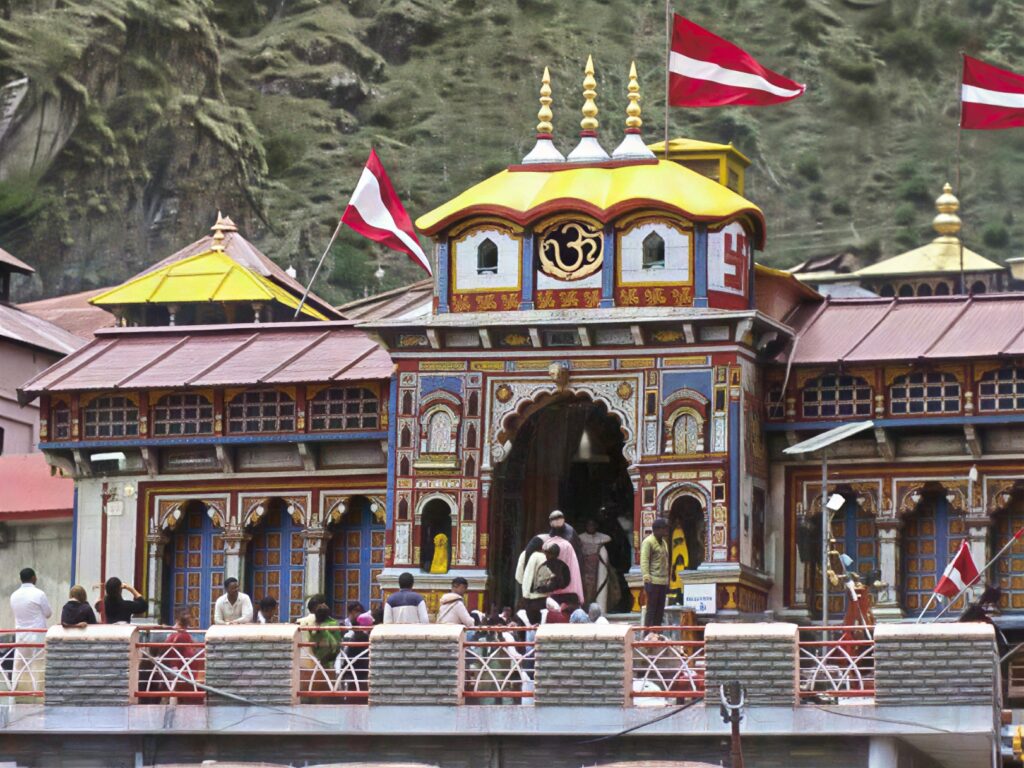
Religion and spirituality form the foundation of everyday life in Uttarakhand. The state is often referred to as the Land of the Gods because it is home to countless temples, sacred rivers, and pilgrimage centers that attract devotees from across India and around the world. Spiritual belief in Uttarakhand is not limited to formal worship; it shapes people’s thoughts, behavior, and way of living.
The people of Uttarakhand have deep faith in Hinduism, and many households maintain small shrines where daily prayers are offered. Morning and evening prayers, lighting of lamps, and chanting of mantras are common practices. Important life events such as birth, marriage, and death are accompanied by religious rituals performed by priests, reflecting the belief that divine blessings guide every stage of life.
Pilgrimage plays a major role in the spiritual culture of the state. Sacred sites such as Kedarnath, Badrinath, Gangotri, and Yamunotri are considered among the holiest destinations in Hinduism. These shrines, located in the high Himalayas, symbolize devotion, endurance, and surrender to divine will. Pilgrims often undertake difficult journeys to reach these places, seeing the hardships as acts of faith and spiritual discipline.
Spirituality in Uttarakhand is also closely linked with nature. Mountains, rivers, forests, and even certain trees are regarded as sacred. Many people believe that divine energy resides in natural elements, which encourages respect and protection of the environment. This belief system promotes a harmonious relationship between humans and nature.
Ashrams and meditation centers are another important part of spiritual life. Seekers come to Uttarakhand to practice yoga, meditation, and self-reflection. These practices emphasize inner peace, self-control, and moral living. Elders often guide younger generations in following ethical values such as honesty, compassion, and humility.
Overall, religious beliefs and spiritual traditions give Uttarakhand culture its calm, disciplined, and deeply rooted character.
🎵 Folk Music of Uttarakhand
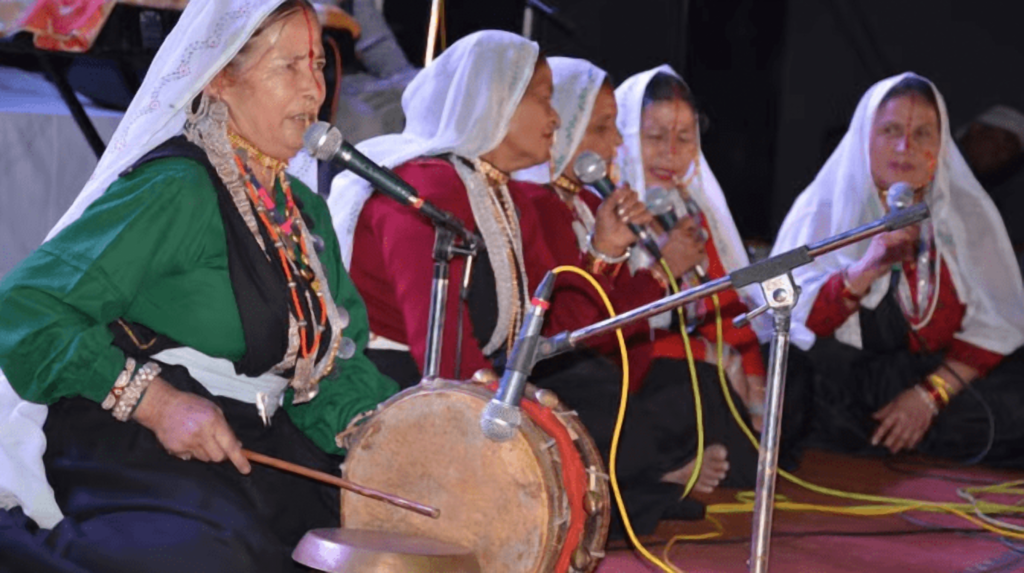
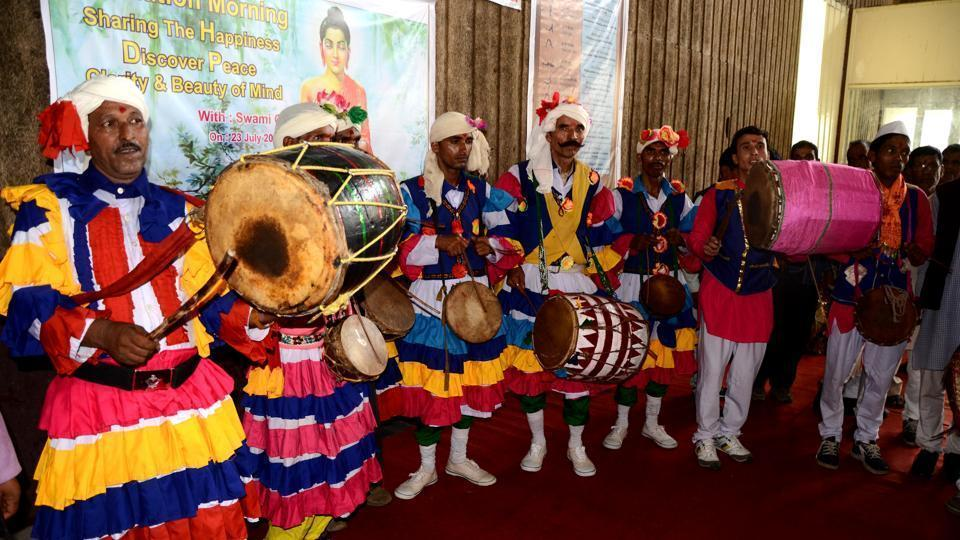
Folk music is an inseparable part of Uttarakhand’s cultural heritage. It reflects the emotions, struggles, joys, and spiritual beliefs of the people. For centuries, folk songs have served as a medium of storytelling, preserving historical events, legends, and social values.
Uttarakhand’s folk music is mainly divided into Garhwali and Kumaoni traditions, each having its own style and lyrical themes. Songs are often inspired by nature, village life, love, devotion, bravery, and separation. Many folk songs express the feelings of people who migrate to cities for work, highlighting themes of longing and hope.
Traditional musical instruments play a key role in creating the distinctive sound of Uttarakhand’s folk music. Instruments such as dhol, damau, hudka, turri, and ransingha are commonly used during performances. The powerful beats of these instruments energize celebrations and create a strong sense of community participation.
Folk music is performed on various occasions including festivals, weddings, religious ceremonies, and village gatherings. Singing is often done in groups, allowing people of all ages to participate. This collective singing strengthens social bonds and keeps traditions alive.
In modern times, folk music has evolved with the use of new instruments and recording technology, yet the essence remains unchanged. Many artists continue to compose songs in traditional styles, ensuring that the cultural identity of Uttarakhand is preserved.
Folk music, therefore, is not just entertainment—it is a voice of the people and a symbol of their cultural pride.
💃 Folk Dances of Uttarakhand
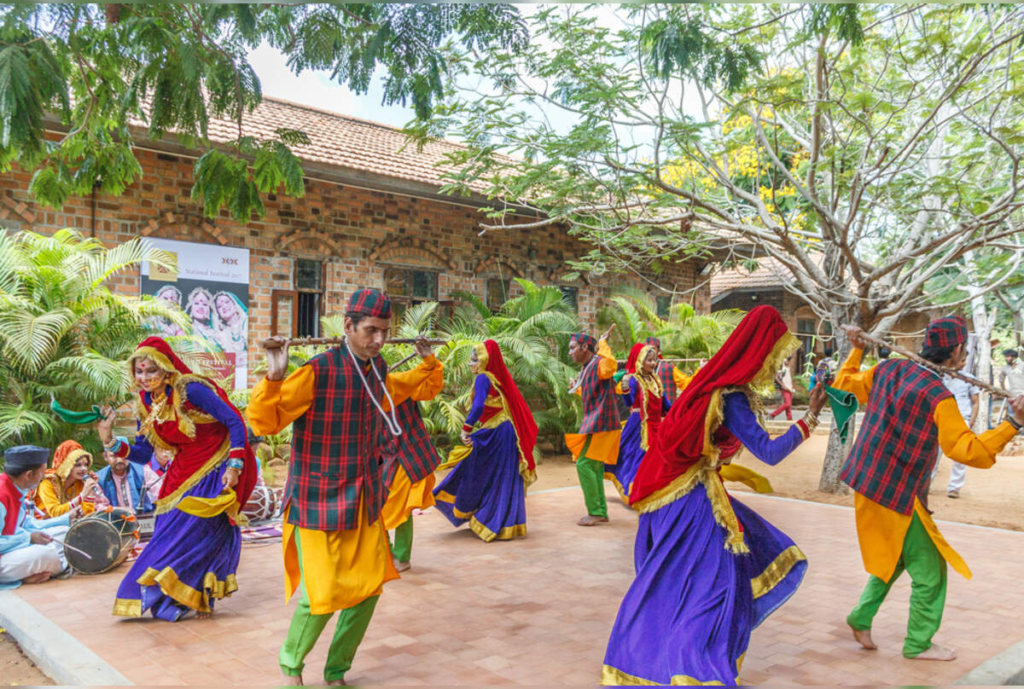
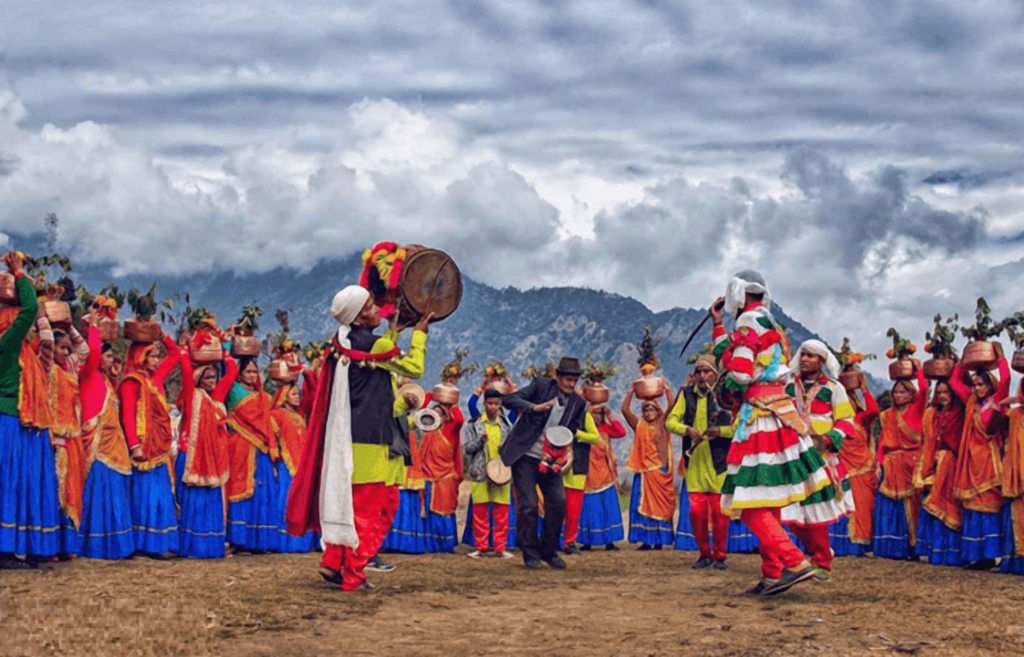
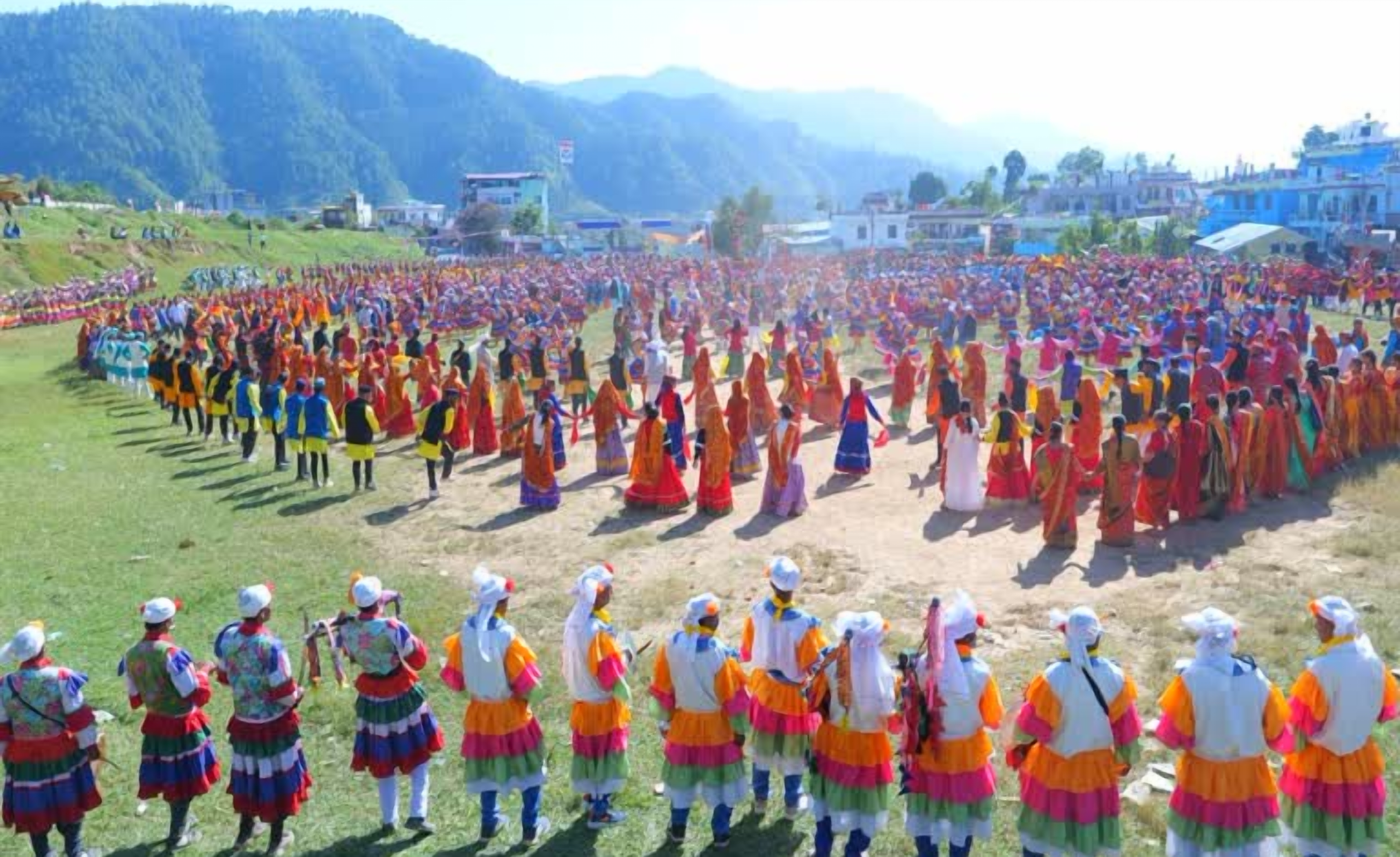
Folk dances are a vibrant and expressive part of Uttarakhand’s cultural heritage. These dances are closely linked with festivals, weddings, religious ceremonies, and community celebrations. Through rhythmic movements and colorful costumes, folk dances convey stories of bravery, devotion, romance, and daily life in the mountains.
One of the most popular dance forms is Chholiya, a traditional sword dance performed mainly in the Kumaon region. It is often associated with wedding processions and symbolizes courage and protection. Dancers carry swords and shields, performing energetic steps that reflect the region’s warrior traditions.
Another well-known dance is Jhora, which is usually performed in groups by men and women holding hands and moving in circles. Jhora represents unity, joy, and togetherness. It is commonly performed during fairs and seasonal festivals, creating an atmosphere of happiness and celebration.
Langvir Nritya is a unique acrobatic dance performed by a single male dancer who balances on a pole or rope while executing complex movements. This dance showcases physical strength, skill, and discipline. It is often performed during village fairs and religious events.
Folk dances in Uttarakhand are usually accompanied by live music using traditional instruments such as dhol, damau, and turri. The rhythm of the music guides the dancers’ movements and enhances the emotional impact of the performance.
These dances are more than entertainment—they are cultural expressions that preserve history and social values. Even today, young people are encouraged to learn traditional dances, ensuring that these art forms continue to thrive.
🎨 Traditional Arts & Handicrafts
5
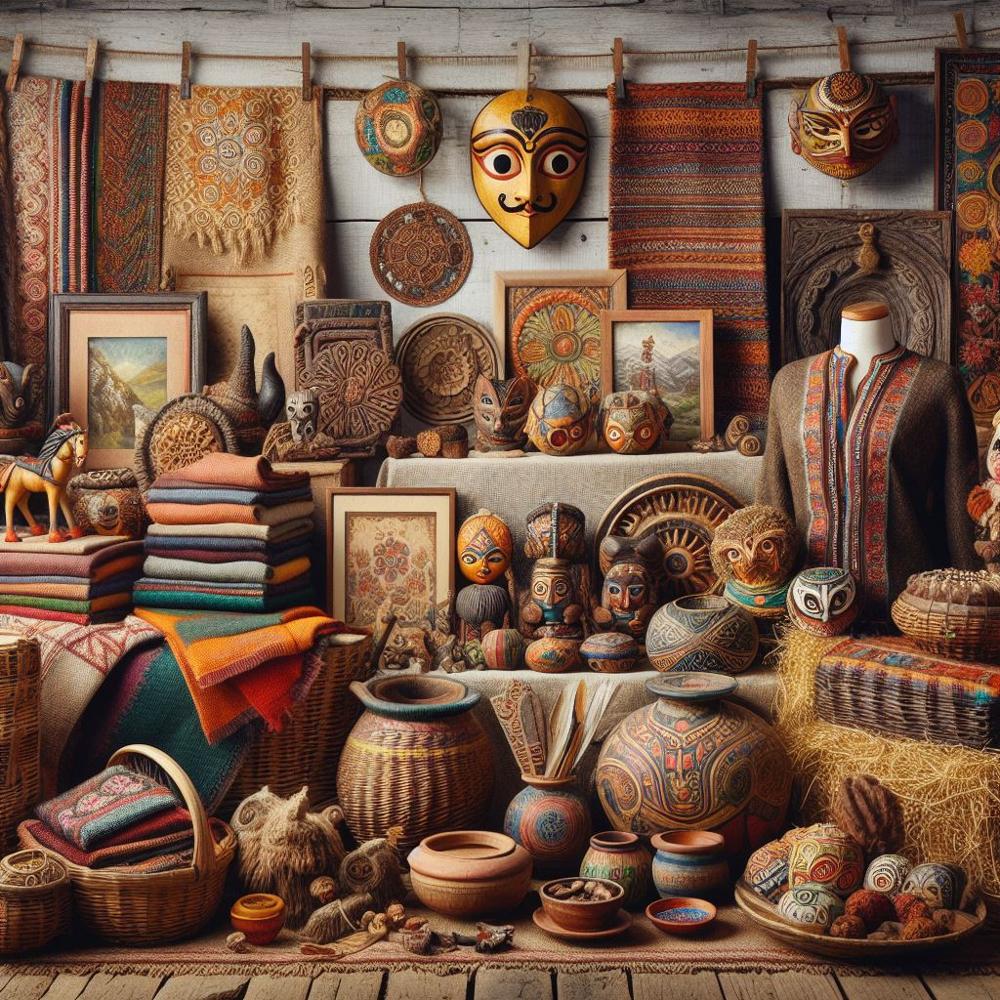
Traditional arts and handicrafts reflect the creativity and craftsmanship of Uttarakhand’s people. These art forms have developed over centuries and are closely connected with religious practices, daily life, and natural resources.
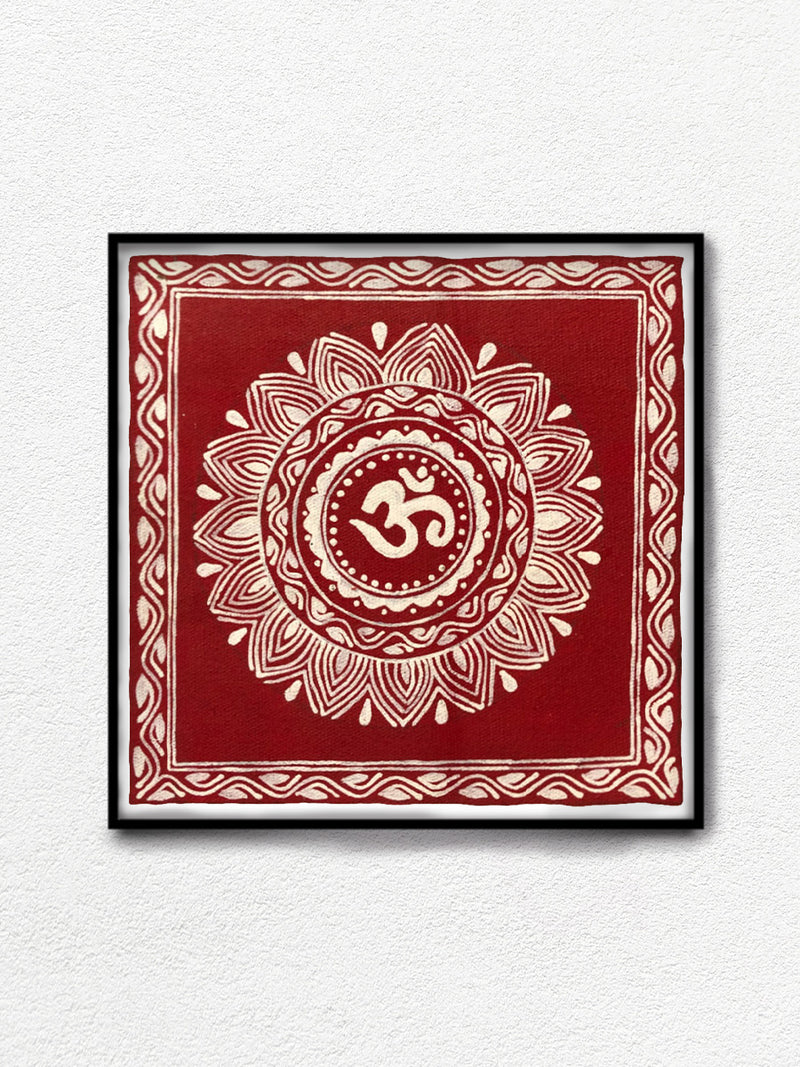
One of the most famous art forms of Uttarakhand is Aipan art. It is a traditional ritualistic painting style created on floors and walls using white rice paste on a red background. The designs are usually geometric patterns, symbols, and motifs representing prosperity, happiness, and spiritual purity. Aipan art is commonly made during festivals, weddings, and religious ceremonies.
Wood carving is another important craft, especially in temple architecture and household items. Skilled artisans carve doors, windows, and pillars with intricate designs inspired by nature and mythology. These carvings enhance the beauty of traditional homes and temples.
Woolen handicrafts such as shawls, blankets, and sweaters are widely produced in mountainous regions. These items are not only decorative but also essential for warmth in cold climates. Handwoven wool products are valued for their durability and traditional designs.
Metal crafts, pottery, and bamboo products are also part of Uttarakhand’s handicraft tradition. These crafts provide livelihood to many rural families and help preserve cultural knowledge.
Traditional arts and handicrafts represent the soul of Uttarakhand’s creative heritage and continue to play a vital role in sustaining cultural identity.
👘 Traditional Attire of Uttarakhand


5
Traditional attire in Uttarakhand reflects simplicity, elegance, and practicality. Clothing styles have developed according to the mountainous climate and the daily lifestyle of the people. Although modern clothing is now commonly worn, traditional dress still holds cultural significance and is proudly worn during festivals, weddings, and special occasions.
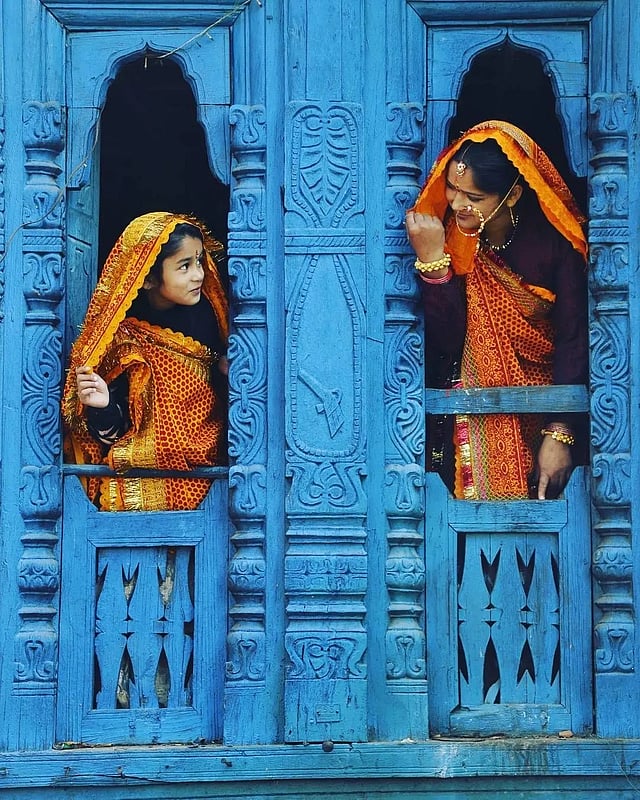
Women’s traditional attire varies slightly between the Garhwal and Kumaon regions. One of the most recognizable garments is the pichora, a long yellow or saffron-colored scarf with red borders and auspicious symbols. It is usually worn by married women and during religious ceremonies. Women also wear ghagra (long skirt), choli (blouse), and sari, often made from cotton or wool. Jewelry such as nose rings, necklaces, bangles, and earrings plays an important role in completing the traditional look.
Men traditionally wear kurta-pajama or dhoti-kurta, along with a waistcoat or jacket. In colder regions, woolen coats and shawls are common. A traditional cap is sometimes worn as a symbol of cultural identity.
Traditional clothing is not just about appearance; it reflects social status, marital condition, and regional identity. Many garments are handmade or handwoven, showcasing local craftsmanship.
Even today, traditional attire is preserved through cultural events and folk performances, helping younger generations stay connected to their heritage.
🍲 Cuisine of Uttarakhand



5
The cuisine of Uttarakhand is simple, nutritious, and closely connected to locally available ingredients. Due to the hilly terrain, people rely on grains such as mandua (finger millet), jhangora (barnyard millet), and barley. These grains are rich in nutrients and provide energy in cold climates.
One of the most popular dishes is Kafuli, a thick gravy made from green leafy vegetables and spices. Phaanu is another traditional dish prepared using pulses and slow cooking methods. Aloo ke Gutke, made with boiled potatoes and local spices, is commonly served with puri or roti.
Uttarakhand cuisine uses minimal oil and focuses on natural flavors. Spices such as jakhiya and bhang seeds give the dishes a unique aroma. Dairy products like buttermilk and ghee are also widely consumed.
Food in Uttarakhand reflects sustainability and respect for nature. Many families grow their own vegetables and prepare meals using traditional recipes passed down through generations.
The cuisine represents warmth, simplicity, and the healthy lifestyle of the people.
🏡 Lifestyle & Daily Life of People in Uttarakhand


The lifestyle of people in Uttarakhand is deeply influenced by the mountains, natural environment, and traditional values. Life here is simple, disciplined, and closely connected with nature. Even today, many villages follow age-old practices that emphasize self-sufficiency, hard work, and community cooperation.
Agriculture is one of the main occupations in rural Uttarakhand. People practice terrace farming on mountain slopes, growing crops such as rice, wheat, millets, and pulses. Along with farming, animal husbandry is common, and families often keep cows, goats, or buffaloes for milk and other dairy products. These activities form the backbone of village life.
Daily routines usually begin early in the morning. People wake up before sunrise, perform household chores, offer prayers, and then go to fields or workplaces. Women play a vital role in managing households as well as agricultural work. Their contribution is central to sustaining family and community life.
Strong family bonds and respect for elders are key features of Uttarakhand’s social structure. Joint families are still common in many areas, and decisions are often taken collectively. Neighbors support one another during festivals, weddings, and difficult times, reflecting a strong sense of unity.
Although education and modern employment opportunities have increased, many people migrate to cities for work. Despite this, they maintain emotional and cultural ties with their native villages and return during festivals and important occasions.
Overall, the lifestyle of Uttarakhand reflects balance—between tradition and change, simplicity and progress.
🌟 Conclusion
Uttarakhand culture is a rich blend of spirituality, tradition, and natural harmony. From colorful festivals and soulful folk music to graceful dances, traditional attire, and nutritious cuisine, every aspect of life reflects deep-rooted values and cultural pride.
The people of Uttarakhand have successfully preserved their heritage despite the influence of modernization. Their respect for nature, devotion to spirituality, and strong community bonds make this culture truly unique.
Exploring Uttarakhand is not only a journey through scenic landscapes but also an opportunity to experience a living tradition that continues to inspire generations.