📘 Introduction to Indian Education System
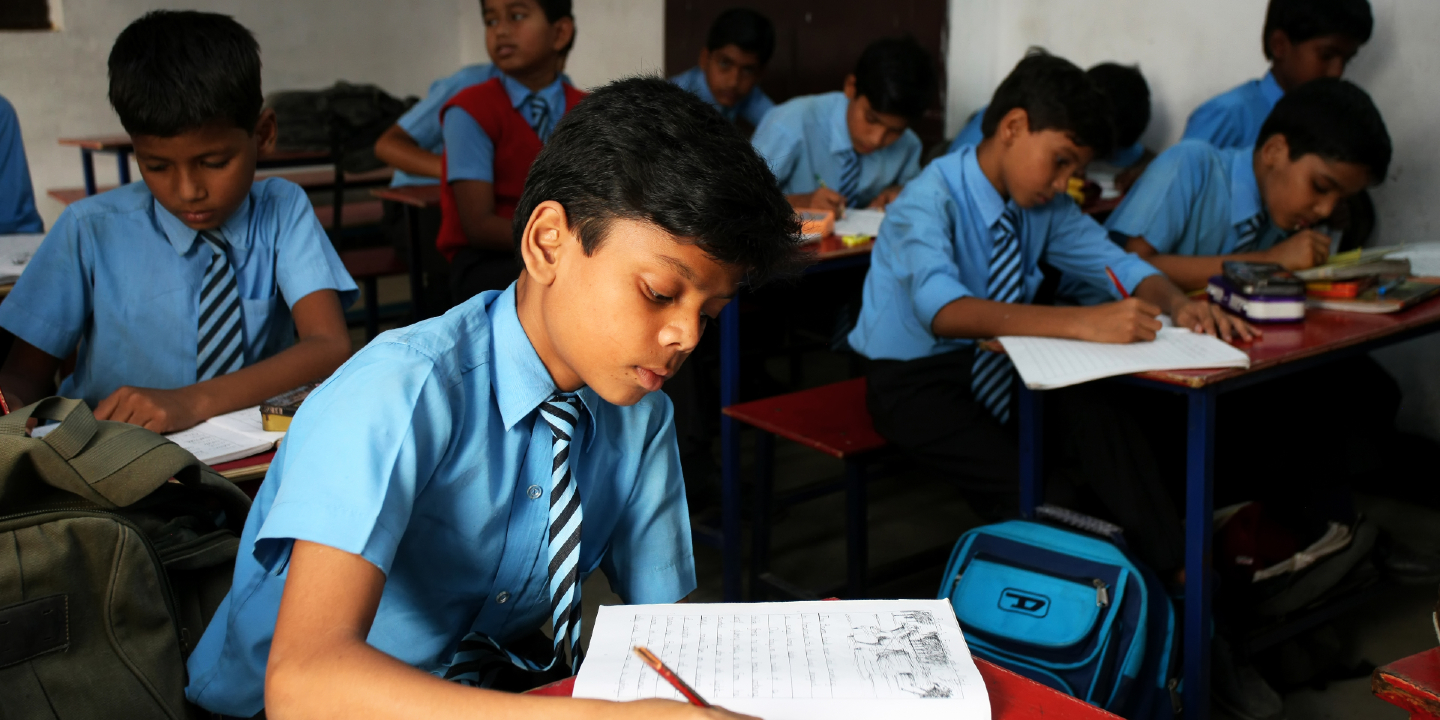

The Indian education system is one of the largest and most diverse education systems in the world. It plays a vital role in shaping the social, economic, and cultural development of the country. Education in India is not only a means of acquiring knowledge but also a powerful tool for personal growth, social change, and national progress. Over the years, the system has evolved to meet the needs of a growing population and a rapidly changing global environment.
India believes that education is a fundamental right of every citizen. The government has taken several steps to ensure that children from all sections of society have access to quality education. Schools, colleges, and universities are spread across urban and rural areas, making learning opportunities more accessible than ever before. From traditional classroom teaching to digital and online learning platforms, education in India has embraced both old and new methods.
The Indian education system focuses on academic learning along with the development of moral values, discipline, and social responsibility. Students are encouraged to build critical thinking, creativity, and problem-solving skills. Subjects such as science, mathematics, languages, social sciences, and arts form the foundation of school education, while higher education offers specialized fields like engineering, medicine, law, management, and humanities.
Another important feature of the Indian education system is its emphasis on competitive examinations. Many students prepare for national and state-level entrance exams to secure admission to reputed institutions. This competitive environment pushes students to work hard and develop a strong academic base.
Despite facing challenges such as unequal access, quality differences, and infrastructure issues, the Indian education system continues to grow and improve. With increasing investment in education and technological advancement, India aims to create a skilled and knowledgeable workforce that can contribute to national and global development.
In short, the Indian education system is a powerful pillar of the nation, shaping millions of young minds and building the future of the country.
📜 Historical Background of Education in India
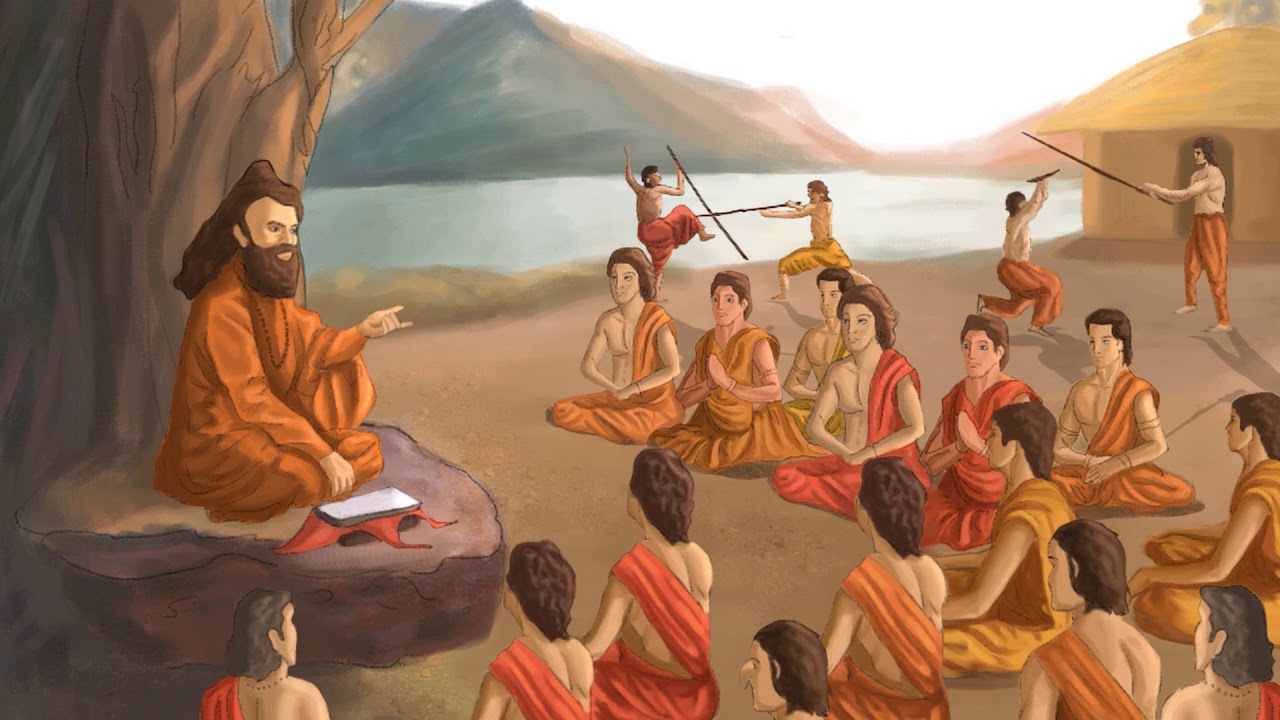

The history of education in India is rich and deeply rooted in ancient traditions. In early times, education was provided through the Gurukul system, where students lived with their teacher (guru) and learned various subjects such as philosophy, mathematics, astronomy, medicine, and moral values. This system focused not only on academic knowledge but also on character building and discipline.
Ancient India was home to famous centers of learning like Nalanda and Takshashila, which attracted students from different parts of the world. These institutions offered advanced studies in subjects such as logic, grammar, medicine, and political science. Education during this period was holistic and aimed at creating wise and responsible individuals.
During the medieval period, education in India saw the influence of Islamic culture. Madrasas were established, where students studied theology, mathematics, literature, and science. Persian and Arabic languages became important mediums of instruction.
The modern education system in India began to take shape during British rule. The British introduced a structured system of schools, colleges, and universities, along with a standardized curriculum. English became a major medium of instruction, which connected India to global knowledge but also reduced the focus on traditional Indian learning systems.
After independence in 1947, India recognized education as a key factor for national development. Several reforms were introduced to expand access to education and improve quality. The government worked towards universalizing elementary education and promoting higher education and research.
Today’s Indian education system is a blend of ancient wisdom and modern knowledge. It carries forward the legacy of traditional learning while adapting to contemporary needs.
🏛️ Structure of Indian Education System
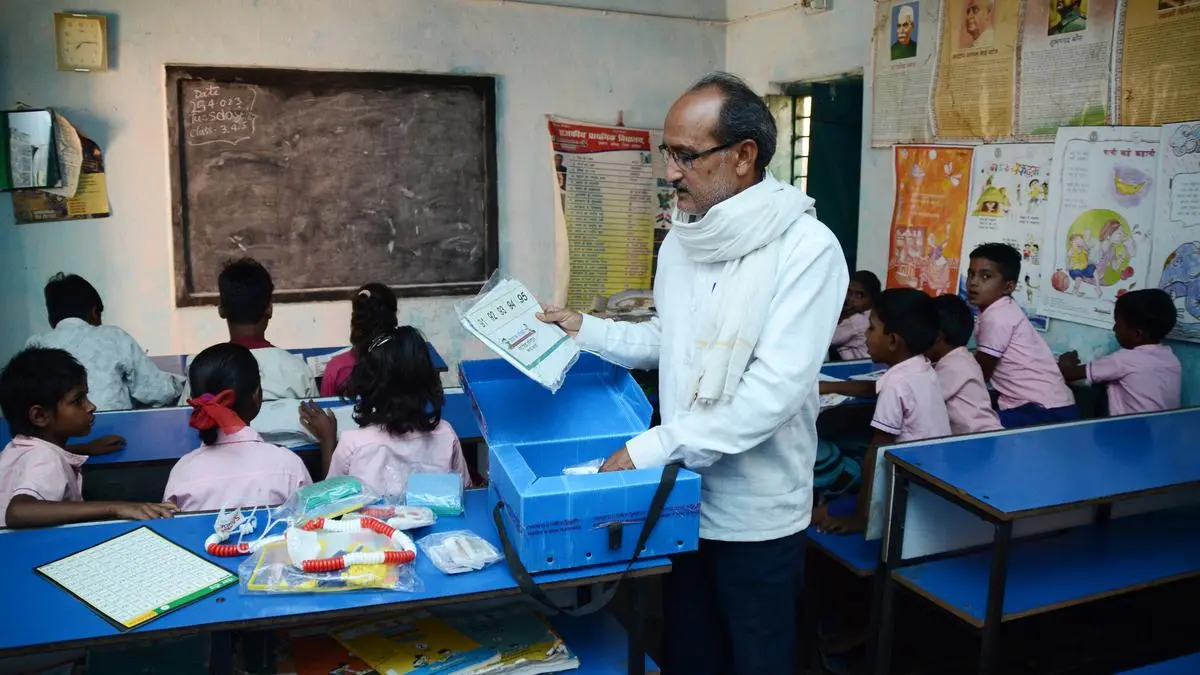
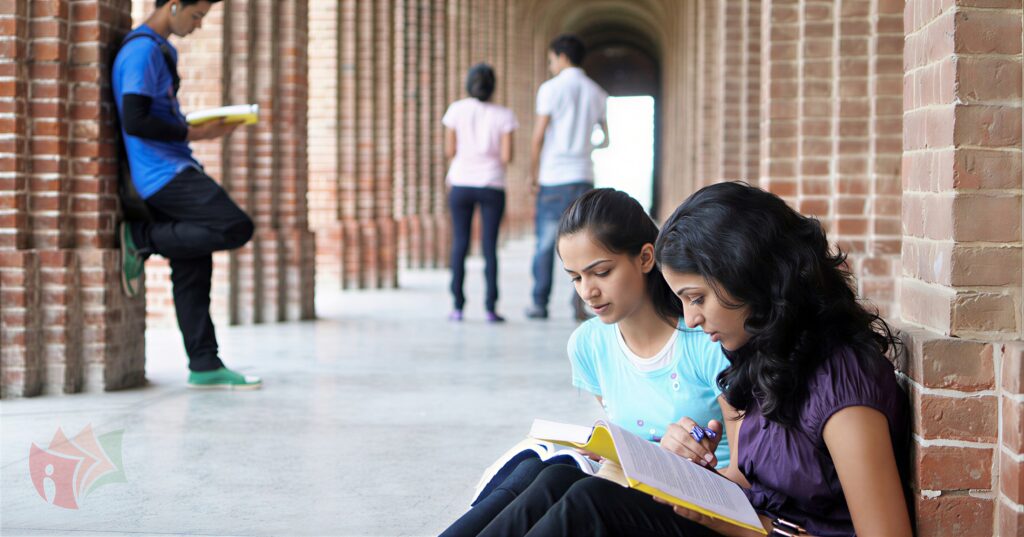
The structure of the Indian education system is designed in a systematic and hierarchical manner to provide learning opportunities at different stages of life. It follows a well-defined framework that begins with early childhood education and extends to higher education and research. This structure ensures that students gradually build their knowledge and skills as they move from one level to the next.
At the foundational level, the system includes pre-primary or early childhood education. This stage focuses on developing basic cognitive, social, and motor skills in young children. Activities such as storytelling, drawing, singing, and play-based learning help children become familiar with the idea of school and prepare them for formal education.
The next stage is school education, which is divided into primary, upper primary (middle), secondary, and senior secondary levels. This stage forms the backbone of the Indian education system, as it provides essential knowledge in subjects such as languages, mathematics, science, and social studies. The curriculum is designed to build strong fundamentals and encourage logical thinking.
After completing school education, students move on to higher education, which includes undergraduate, postgraduate, and doctoral programs. Higher education institutions offer specialized courses in fields such as engineering, medicine, law, management, humanities, and social sciences. These programs aim to develop advanced knowledge and professional skills.
The Indian education system is governed and regulated by various national and state-level bodies. These organizations ensure quality standards, curriculum development, and examination systems. Both government and private institutions play an important role in providing education across the country.
Overall, the structured framework of the Indian education system allows students to progress step by step, ensuring continuous learning and personal development.
🎒 Primary & Secondary Education
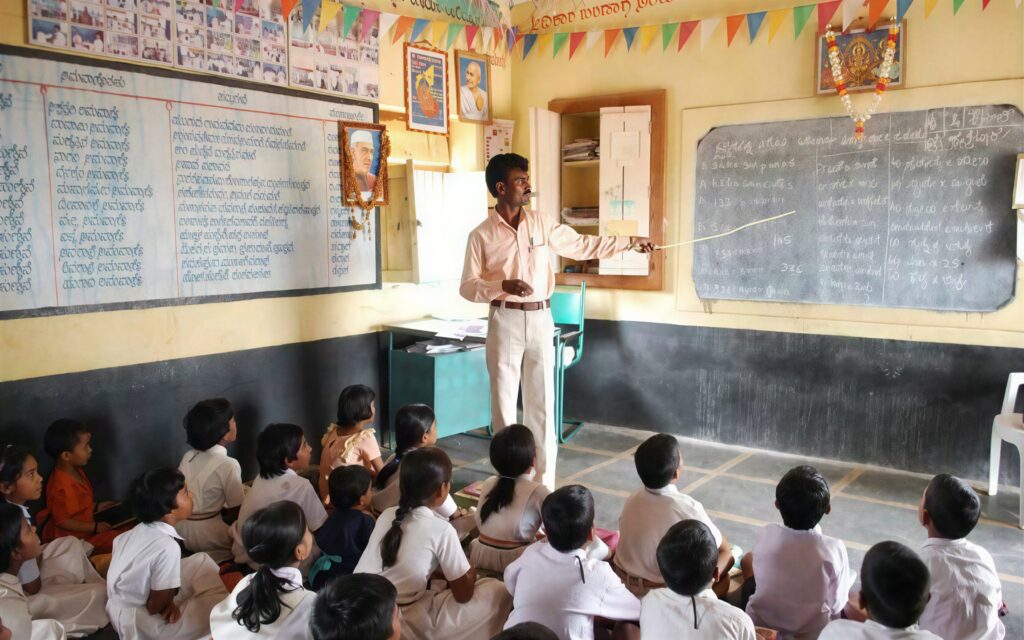
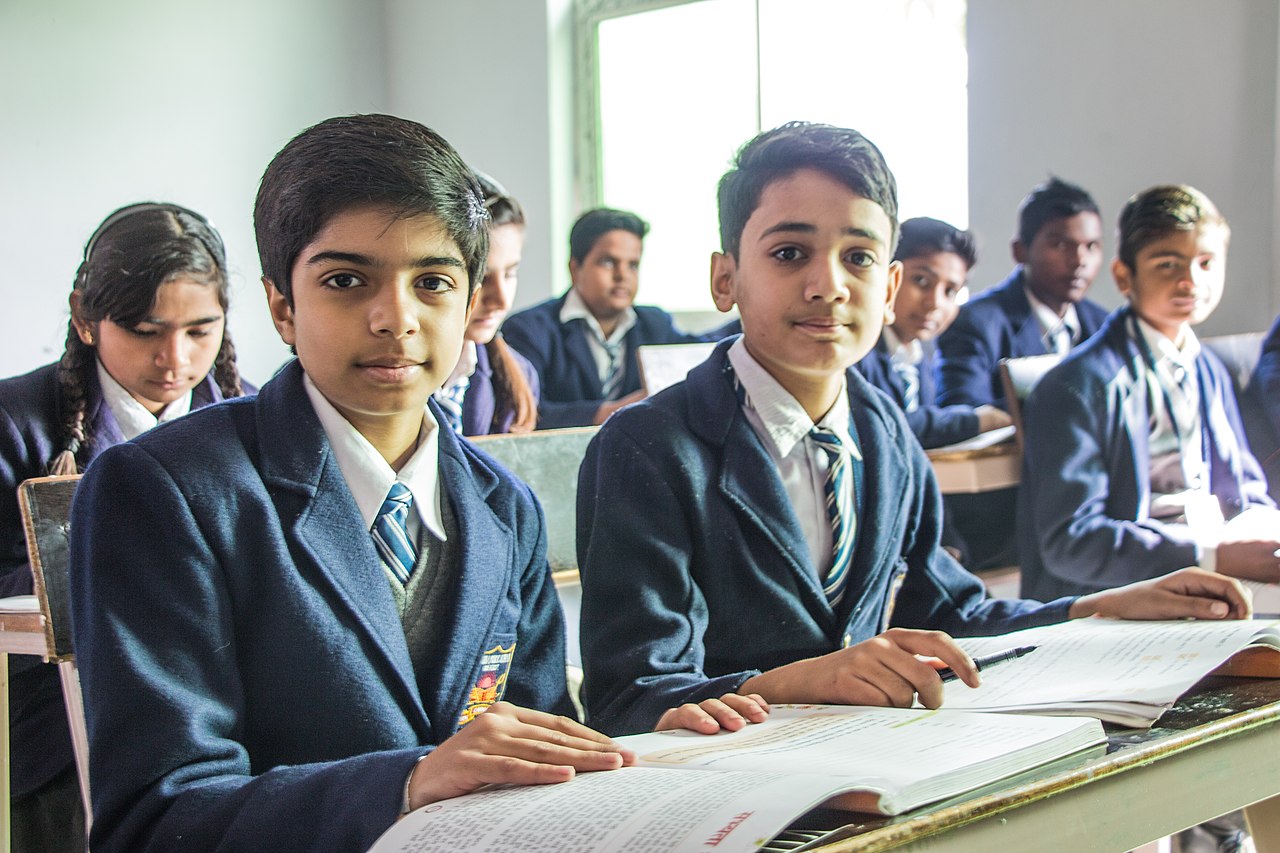
Primary and secondary education form the foundation of a child’s academic journey. Primary education usually covers classes from Grade 1 to Grade 5 and focuses on basic literacy and numeracy skills. Children learn to read, write, and understand fundamental concepts in mathematics and environmental studies. At this stage, the emphasis is on developing curiosity, confidence, and a love for learning.
Upper primary or middle school education generally includes Grades 6 to 8. Here, students are introduced to more structured subjects such as science, history, geography, and additional languages. This stage helps students broaden their knowledge and develop analytical thinking skills.
Secondary education covers Grades 9 and 10, while senior secondary education includes Grades 11 and 12. At these levels, students study advanced concepts and prepare for board examinations. They also begin to choose subject streams such as science, commerce, or humanities based on their interests and career goals.
Primary and secondary education in India aims to promote all-round development. Apart from academics, schools encourage participation in sports, arts, and extracurricular activities. Moral education, discipline, and social values are also emphasized.
Despite progress, challenges such as school dropouts, lack of infrastructure, and teacher shortages still exist in some areas. However, continuous government initiatives and awareness programs are helping improve enrollment and retention rates.
Primary and secondary education lay the groundwork for higher studies and future careers, making them crucial stages in the Indian education system.
🎓 Higher Education in India
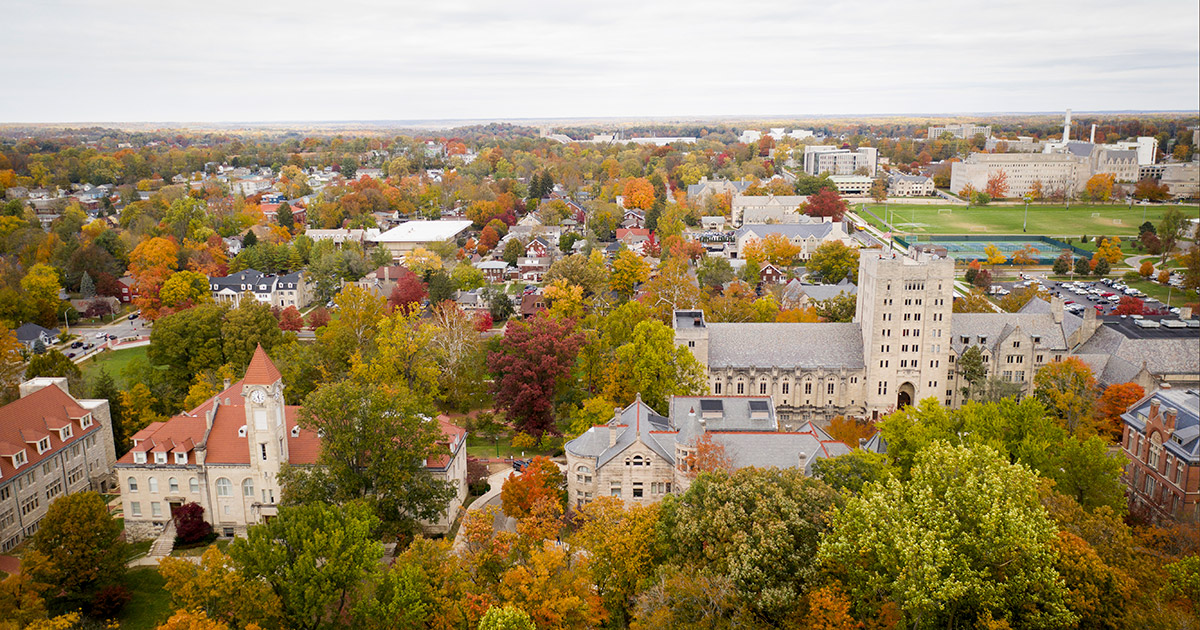

Higher education in India plays a crucial role in developing skilled professionals, researchers, and leaders who contribute to the nation’s progress. After completing senior secondary education, students can pursue undergraduate, postgraduate, and doctoral programs in a wide range of disciplines. India has one of the largest higher education systems in the world, with thousands of universities and colleges offering diverse courses.
Undergraduate programs usually last three to four years, depending on the field of study. Popular disciplines include engineering, medicine, law, management, science, commerce, arts, and social sciences. Postgraduate programs allow students to specialize further in their chosen subjects, while doctoral programs focus on advanced research and innovation.
Indian higher education institutions include central universities, state universities, private universities, and specialized institutes. Many institutions are known for academic excellence and research contributions. Admission to reputed institutions is often based on entrance examinations, which test students’ knowledge and aptitude.
Higher education not only focuses on academic learning but also on skill development. Internships, practical training, workshops, and industry collaborations help students gain real-world experience. This prepares graduates for employment and entrepreneurship.
In recent years, the government has emphasized improving the quality of higher education through accreditation, digital learning platforms, and international collaborations. Efforts are being made to make higher education more inclusive and accessible, especially for students from disadvantaged backgrounds.
Overall, higher education in India is a powerful driver of economic growth and social development.
🏫 Role of Government & Education Boards

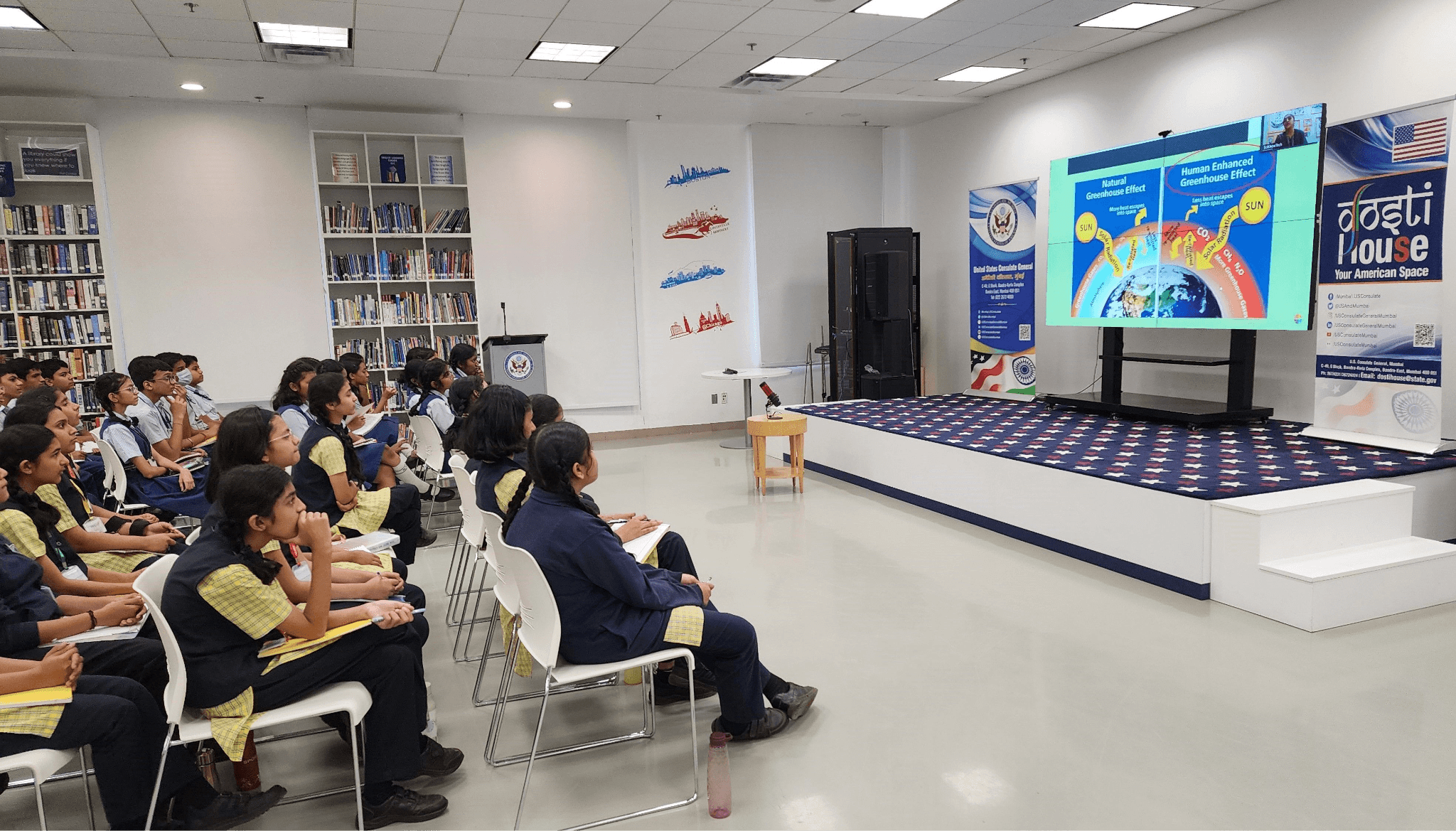
The government plays a central role in shaping and regulating the Indian education system. Both the central and state governments are responsible for policy formulation, funding, and implementation of education programs. Education is considered a shared responsibility, ensuring balanced development across regions.
Various education boards operate in India to manage curriculum design, examinations, and certification. National-level boards and state boards conduct school examinations and maintain academic standards. These boards ensure uniformity and quality in education.
The government also introduces schemes and policies to promote universal education, reduce dropouts, and improve infrastructure. Scholarships, free textbooks, midday meal programs, and digital initiatives support students from economically weaker sections.
In higher education, regulatory bodies monitor universities and colleges to maintain quality and transparency. They oversee accreditation, faculty qualifications, and curriculum standards.
Through continuous reforms and investment, the government and education boards strive to make the Indian education system more effective, inclusive, and future-ready.
⚠️ Challenges in Indian Education System
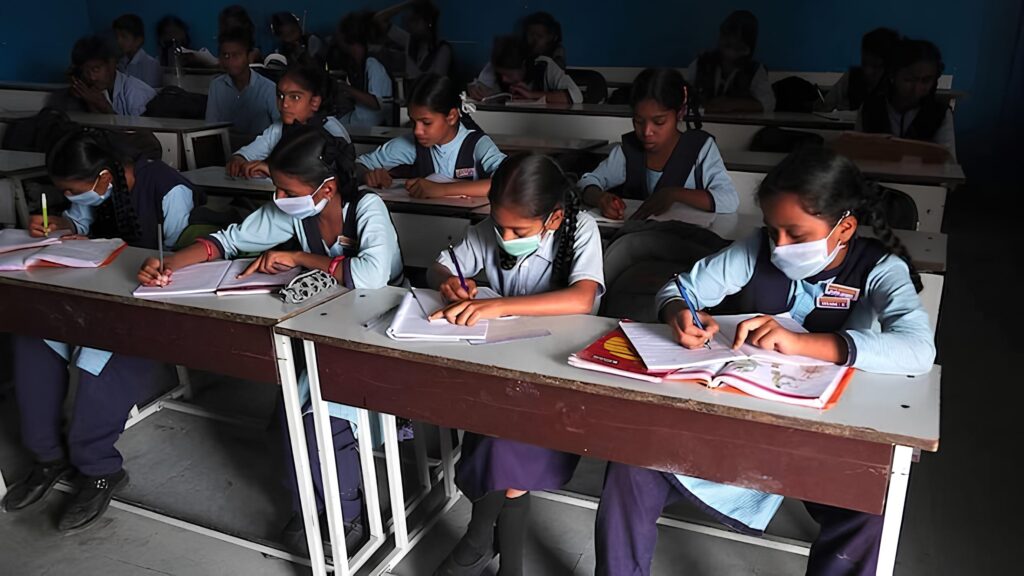
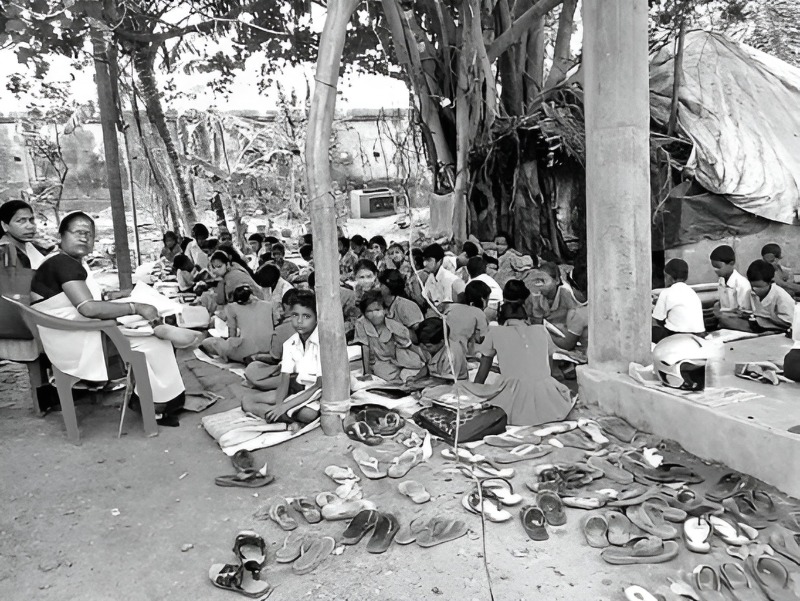
Despite significant progress over the years, the Indian education system continues to face several challenges that affect its overall quality and effectiveness. One of the major issues is unequal access to education. While urban areas have well-developed schools and colleges, many rural and remote regions still lack proper infrastructure, qualified teachers, and learning resources. This gap creates inequality in educational opportunities.
Another serious challenge is the quality of education. In some institutions, outdated teaching methods, limited practical exposure, and insufficient teacher training reduce the effectiveness of learning. Many students rely heavily on rote memorization instead of understanding concepts, which affects creativity and critical thinking.
Dropout rates are also a concern, especially at the secondary level. Economic difficulties, early marriage, child labor, and lack of awareness about the importance of education force many students to leave school before completing their studies. Girls in certain regions face additional social and cultural barriers.
The pressure of examinations and competition is another issue. Students often experience stress and anxiety due to high expectations from parents and society. The education system is sometimes criticized for focusing more on marks than on overall personality development.
Language barriers, digital divide, and lack of career guidance further complicate the situation. Many students are unaware of diverse career options and rely only on traditional career paths.
Addressing these challenges requires coordinated efforts from the government, educators, parents, and society.
💻 Recent Reforms & Digital Education
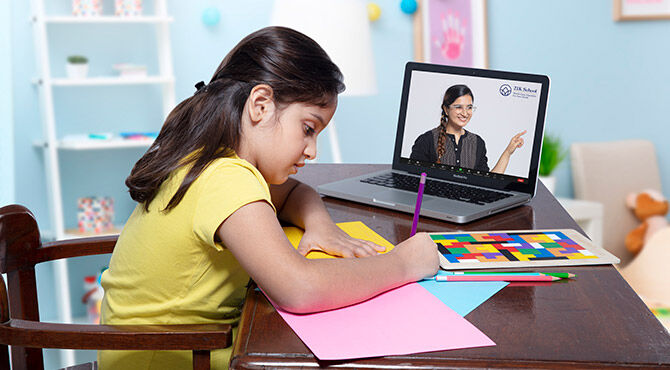
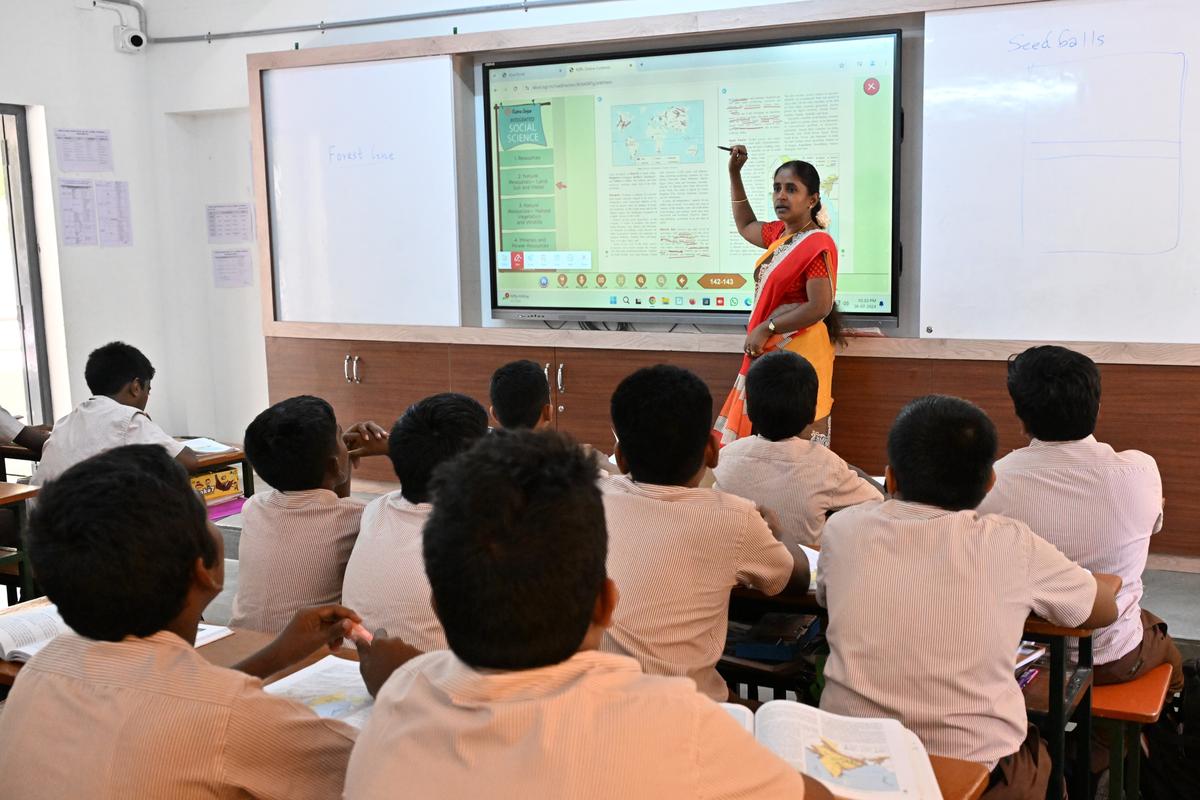
In recent years, India has introduced several reforms to improve the education system and make it more modern, flexible, and inclusive. A major focus has been on transforming teaching and learning methods through technology.
Digital education has expanded rapidly, especially after the COVID-19 pandemic. Online classes, e-learning platforms, and virtual classrooms have become common. Students can now access recorded lectures, study materials, and online assessments from anywhere. This has increased access to education for learners in remote areas.
Curriculum reforms aim to reduce rote learning and promote conceptual understanding, creativity, and skill development. Greater emphasis is being placed on vocational training, coding, and entrepreneurship.
Teacher training programs and digital tools are being introduced to improve teaching quality. Schools are adopting smart classrooms equipped with projectors and interactive boards.
These reforms indicate a positive shift towards a more student-centered and future-ready education system.
🌱 Importance of Education for National Development

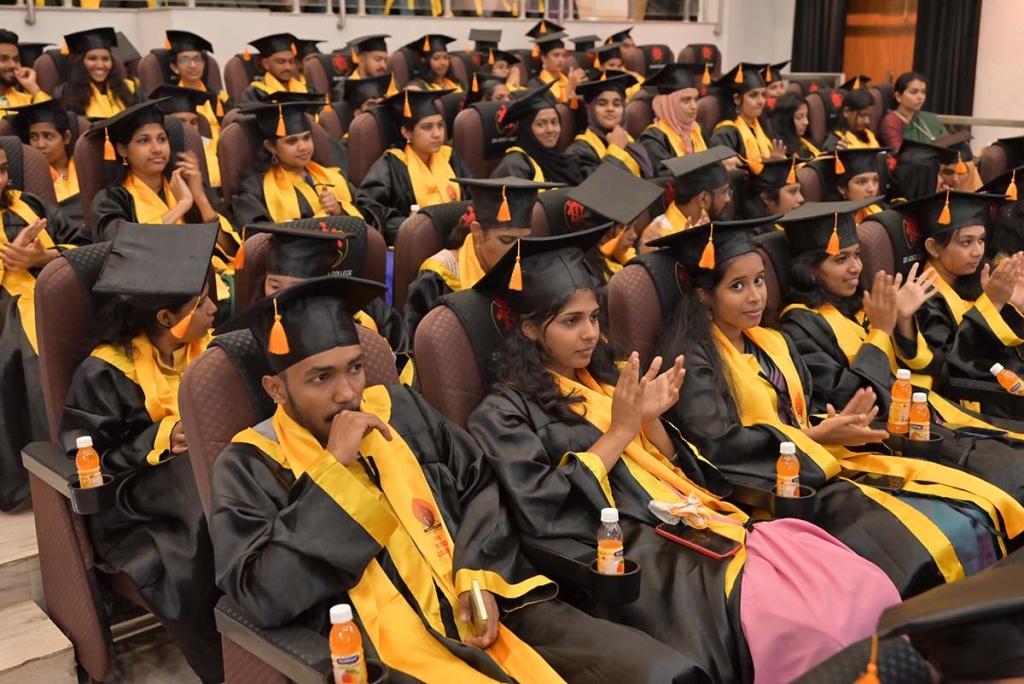
Education is one of the most powerful tools for national development. It shapes the intellectual, social, and economic future of a country. In India, education plays a vital role in building human capital, reducing poverty, and promoting social equality. A well-educated population contributes directly to economic growth and technological advancement.
Firstly, education improves employability. Skilled and knowledgeable individuals are better prepared for jobs in various sectors such as industry, healthcare, technology, and services. This leads to higher productivity and increased national income. Education also encourages entrepreneurship, enabling individuals to create businesses and generate employment for others.
Secondly, education promotes social development. It helps people become aware of their rights and responsibilities, encourages gender equality, and reduces social discrimination. An educated society is more likely to value democratic principles, tolerance, and peaceful coexistence.
Education also supports innovation and research. Universities and research institutions develop new technologies, medicines, and solutions to national and global problems. This strengthens India’s position in the global knowledge economy.
Furthermore, education improves health and quality of life. Educated individuals are more likely to adopt healthy lifestyles, access healthcare services, and make informed decisions for themselves and their families.
Thus, education is the foundation upon which a strong and prosperous nation is built.
🌟 Conclusion
The Indian education system is a vast and dynamic framework that has evolved over centuries. From the ancient Gurukul tradition to modern digital classrooms, education in India reflects a blend of heritage and innovation.
Although challenges such as inequality, quality gaps, and infrastructure issues remain, continuous reforms and technological advancements are helping improve the system. The focus is gradually shifting towards holistic development, skill-building, and student-centered learning.
Education remains the key to India’s progress. By strengthening the education system, India can empower its youth, reduce social inequalities, and achieve sustainable national development.